Nullam dignissim, ante scelerisque the is euismod fermentum odio sem semper the is erat, a feugiat leo urna eget eros. Duis Aenean a imperdiet risus.
Nullam dignissim, ante scelerisque the is euismod fermentum odio sem semper the is erat, a feugiat leo urna eget eros. Duis Aenean a imperdiet risus.
 author
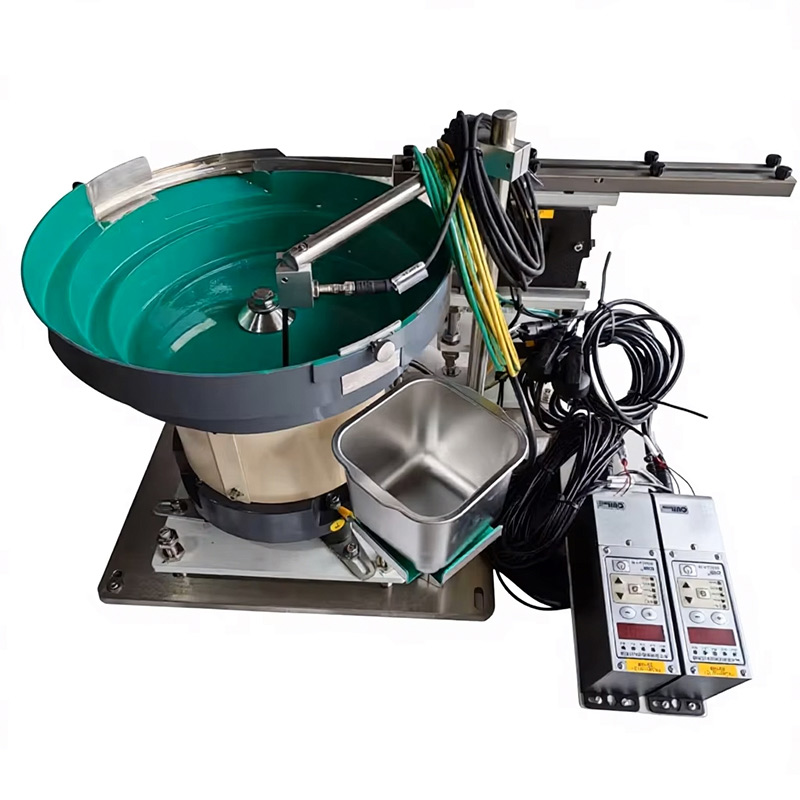
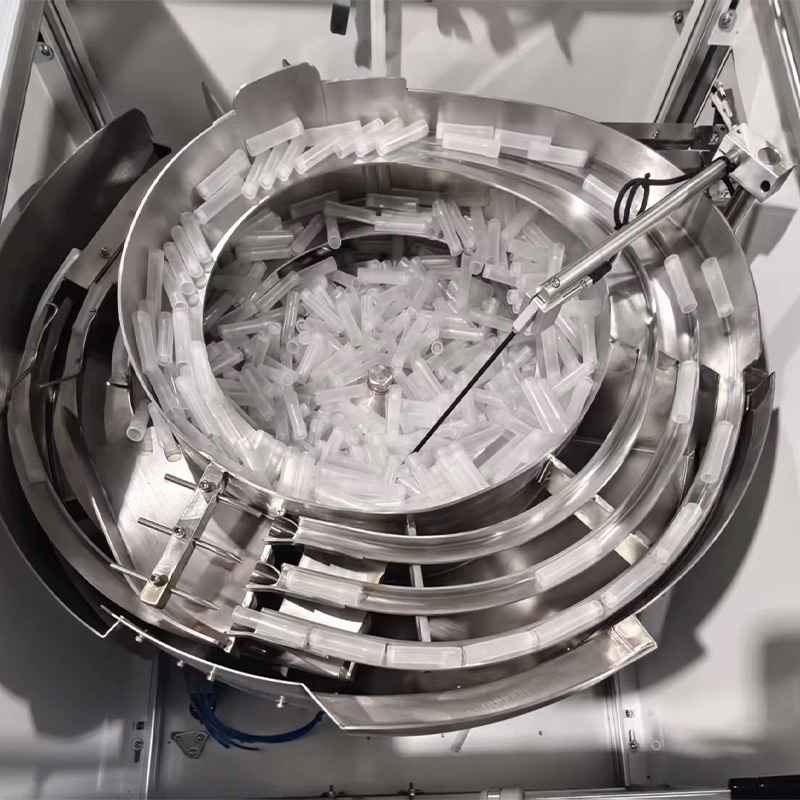
Efficiency in automation is the key to increased productivity and better precision in production. There are many elements that determine the production process, and the vibratory bowl feeder is one of the main components that are responsible for the proper orientation and supply of parts to the CNC machine. The bowl feeders by modern manufacturers are equipped with innovative solutions that increase the efficiency of the automation line and reduce the idle time. The improvements to the bowl feeders are made by combining the knowledge of mechanical engineering with modern IT solutions and advanced materials.
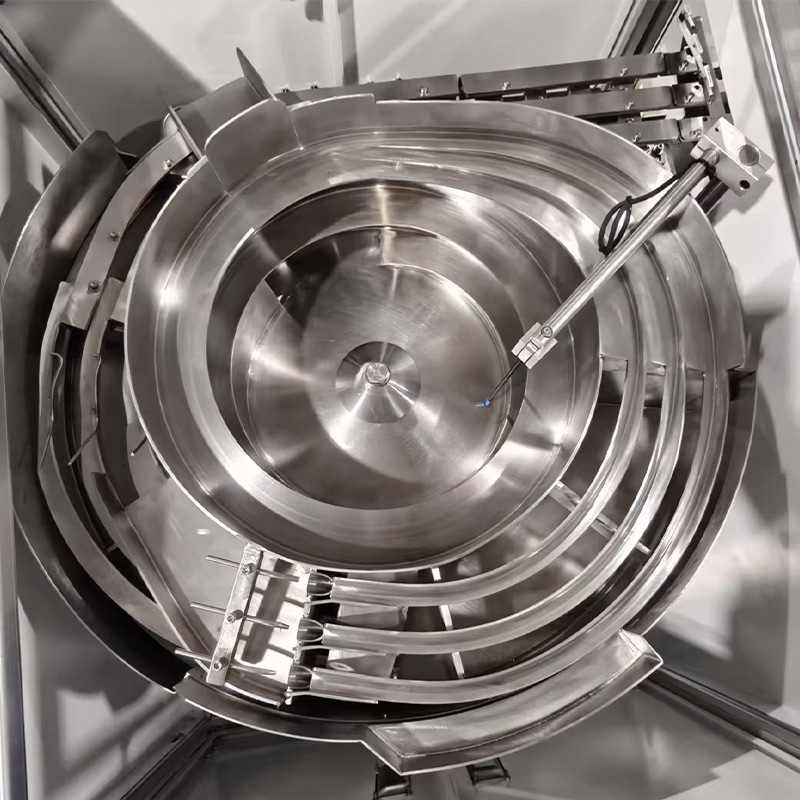
Vibratory feeders of the past typically used a mechanical vibration system that was driven by an electromagnetic coil. These early systems used simple control to provide linear or circular motion to the parts as they moved down a spiral track or other configuration of parts “way” to be picked up by a picker. While these early systems worked well for simple part handling, they were not very flexible and could produce excessive noise. The need for precise part orientation for the use in CNC machines exposed the limitations of such simple systems, particularly for very small, fragile or irregularly shaped parts.
As CNC parts processing is becoming more complex, feeders for vibro-conveying systems are being supplied with intelligent control systems. Modern feeders for part feeding to CNC machines are equipped with sensors, PLCs (programmable logic controllers) and with feedback. With the mechatronic control of the vibration frequency, which is adapted to the filled quantity, higher consistent feeding, less damaged parts and optimal synchronization with industrial robots as well as with CNC magazines and with CNC tool changers are achieved.
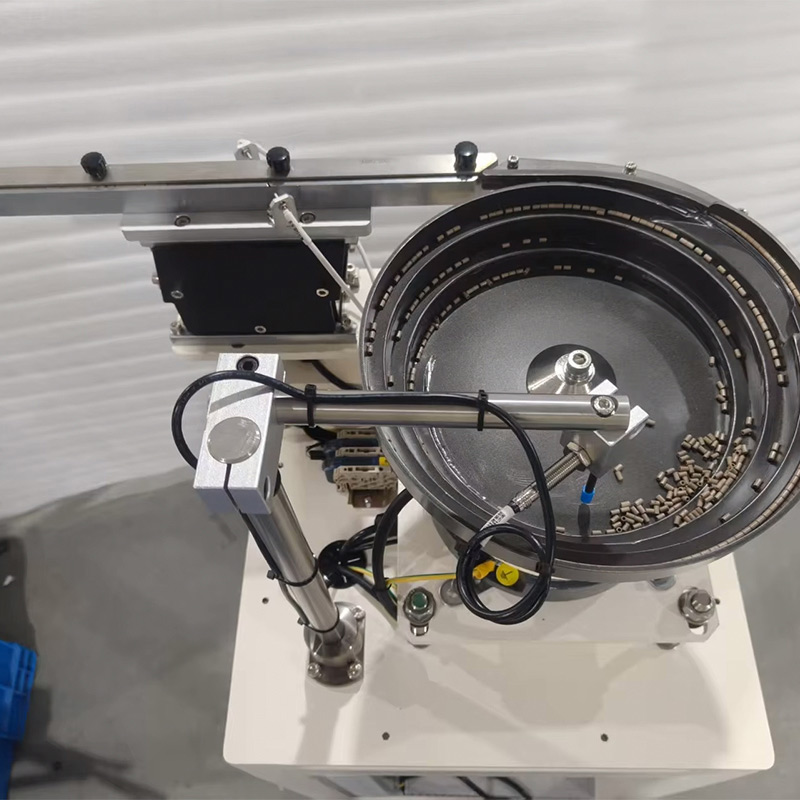
The latest innovations in adaptive vibration control have also significantly increased the control of feed rates. Modern parts feeders automatically adapt the amplitude and frequency of the parts feed, within wide boundaries, for all materials and all part shapes. The vibration is controlled by a closed-loop control system. Optical sensors or even accelerometers can be used for this purpose. In this way, parts feeders can also control themselves in real time and thus deliver components of constant size to the CNC machines without having to be readjusted manually.
Additive manufacturing has opened up a new world of design for vibratory bowl feeder manufacturers, allowing them to quickly design and create custom part feeding solutions using 3D printing technology to create a customized bowl to exactly match the part. By creating a custom bowl the designer can save valuable time by removing excess material from the design and also allow for more part tracking and thus less jams and more aligned part tracks. Also, by using lightweight plastics in the bowl design it allows for less vibration damping losses which in turn makes for a more energy efficient feeder.
One of the key concerns in industrial environments today is noise pollution. Using advanced materials such as composites, combined with effective damping, modern vibratory bowl feeders have achieved significantly reduced noise levels whilst maintaining the required parts feed rates. Furthermore, the energy efficient electromagnetic drives increase production efficiency, whilst retaining a constant vibration intensity, achieving sustainability goals by reducing both noise and energy, and costs thereto.
The interface between vibratory feeders and CNC robotic systems is critical to achieve high-speed CNC automation. Part availability and part position information is communicated to the robotic controller in real-time by the feeders via Ethernet/IP or Mod bus communication. In order to allow for a smooth processing of the related machining cycles without any interruptions, this information is taken into account for the precise timing required for the respective pick-and-place operations.
Smart sensors integrated in the feeder assemblies continuously monitor vibrations, temperature and the current of the motor. In combination with IoT platforms, the analyzed data of the sensors is available at any time and for remote locations. This allows for a predictive maintenance, which by far is more effective than a preventive maintenance. For example, it is possible to identify wear and tear and possible defects of the feeder before a failure actually occurs and thus allows for an ideal operation of the CNC machines in large production environments.
Latest innovations in material science also change how to design vibratory bowl feeders in terms of durability and performance-optimization. Stainless steel is still the most common material because of its high resistance against corrosion and the long service life. Recently hybrid designs with polymer-coated or ceramic-coated bowls have become more interesting. These materials have a low friction and prevent contamination of sensitive parts like contractors for electronics or medical devices.
Les différentes industries imposent des exigences spécifiques aux systèmes d’alimentation vibrants :
•Automotive sector:demands high-speed feeding of metal fasteners with minimal abrasion;
•Electronics manufacturing:requires static-free materials and micro-part handling precision;
•Pharmaceutical packaging:prioritizes hygienic design with easy disassembly for cleaning;
•Aerospace machining:emphasizes traceability through sensor-integrated feeders capable of recording every batch cycle.
To meet these diverse needs, leading vibratory bowl feeder manufacturers offer modular configurations that allow quick retooling between product types while maintaining compliance with industry standards such as ISO 9001 or CE marking.
One of the most transformative innovations involves using digital twin technology during the design phase of vibratory feeders. Engineers create virtual replicas of physical systems to simulate performance under varying conditions—such as different part geometries or vibration frequencies—before actual fabrication begins. This predictive modeling minimizes trial-and-error prototyping costs and ensures optimal compatibility with downstream CNC processes.

Artificial intelligence (AI) will change the operation of the feeding system in smart factories. Artificial intelligence changes the operation of the feeding system in smart production facilities in that machine learning in the feeding system is able to automatically determine the ideal production parameters on the basis of the sensor data that is collected from various production cycles. For example, in the feeding system, a control system which, on the basis of the experience it has gained in the course of multiple production cycles, automatically determines the ideal vibration profiles which in turn, in turn, achieve the highest possible production volume and the lowest possible number of misfeeds for the various components. Thus, the system constantly learns, in the course of the multi-shift operation, without human intervention.
As Industry 4.0 principles continue to influence the automation strategies of companies, future trends in regards to vibratory feeders will also be focused on an even greater integration with the respective digital ecosystems.
•Augmented reality (AR)tools will assist technicians during setup or maintenance by overlaying real-time diagnostics on physical equipment;
•Wireless communication moduleswill replace traditional cabling networks for faster installation flexibility;
•Sustainability-driven designswill emphasize recyclable materials and low-carbon manufacturing methods;
•Collaborative robotics compatibilitywill ensure safe interaction between human operators and automated feeding stations.
These advancements signify a broader shift toward autonomous production environments where every subsystem—including vibratory feeders—contributes intelligently to overall plant efficiency.

The development of vibratory bowl feeders is continually evolving. Modern vibratory bowl feeders are enabled to be fully productive thanks to the integration of adaptive controls, smart sensors, latest materials and the networking of digitalization in CNC automation. For industries, which are more and more competing worldwide, partnership with innovative manufacturers of vibratory feeder components is indispensable in order to achieve increased productivity and precision in a machined part as result of automation.
Contact Us