Nullam dignissim, ante scelerisque the is euismod fermentum odio sem semper the is erat, a feugiat leo urna eget eros. Duis Aenean a imperdiet risus.

Home

Handcrafted precision, vibration in order — nothing says stability like a BOWL FEEDER.

CNC-crafted, hand-finished — high speed without compromise, precision without variation.

Best-selling products

  • All Products
  • Vibratory Bowl Feeder
  • CNC Bowl Feeder
  • Flexible Feeder
  • Various Feeding Equipments
  • Vibration Drive
Screw Feeder Screw Feeder
Screw Feeder

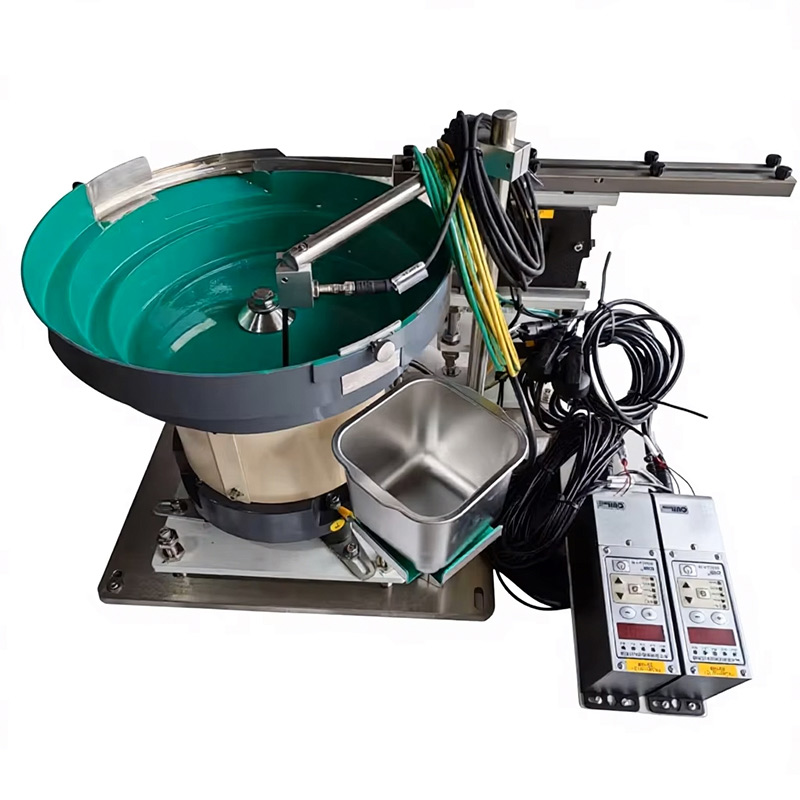
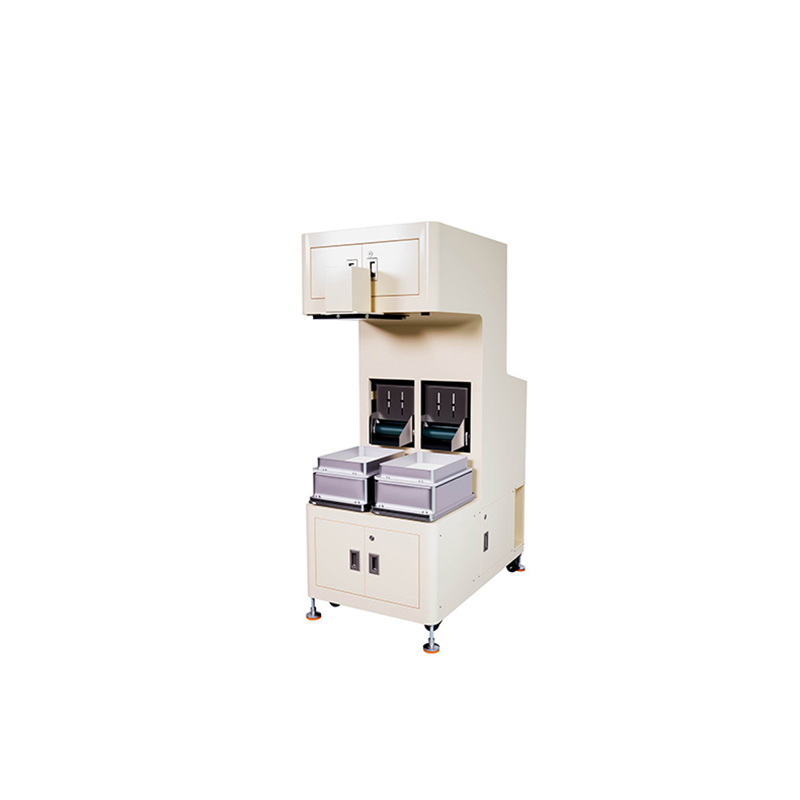
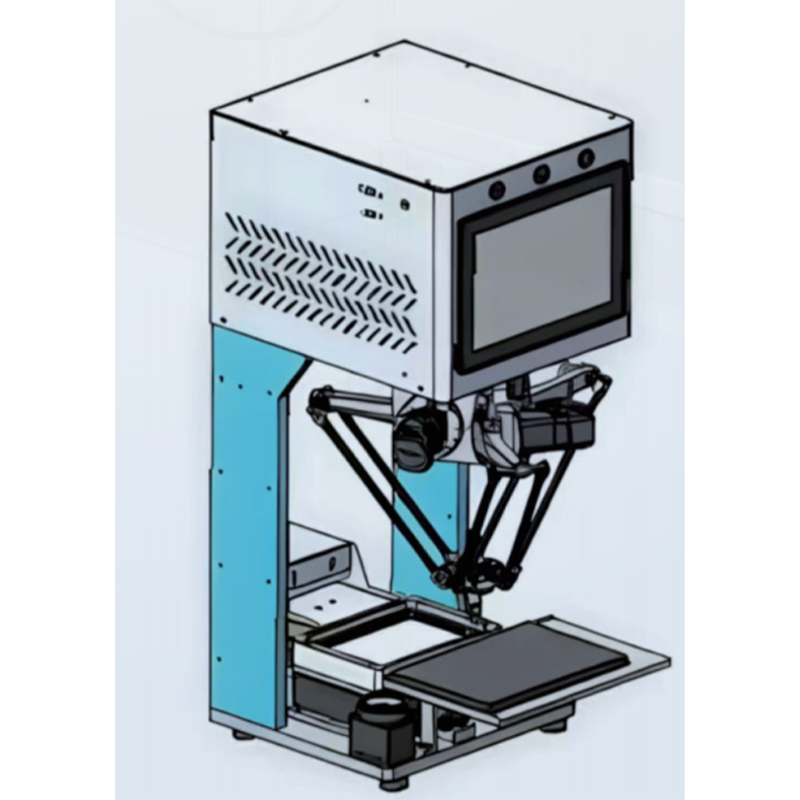
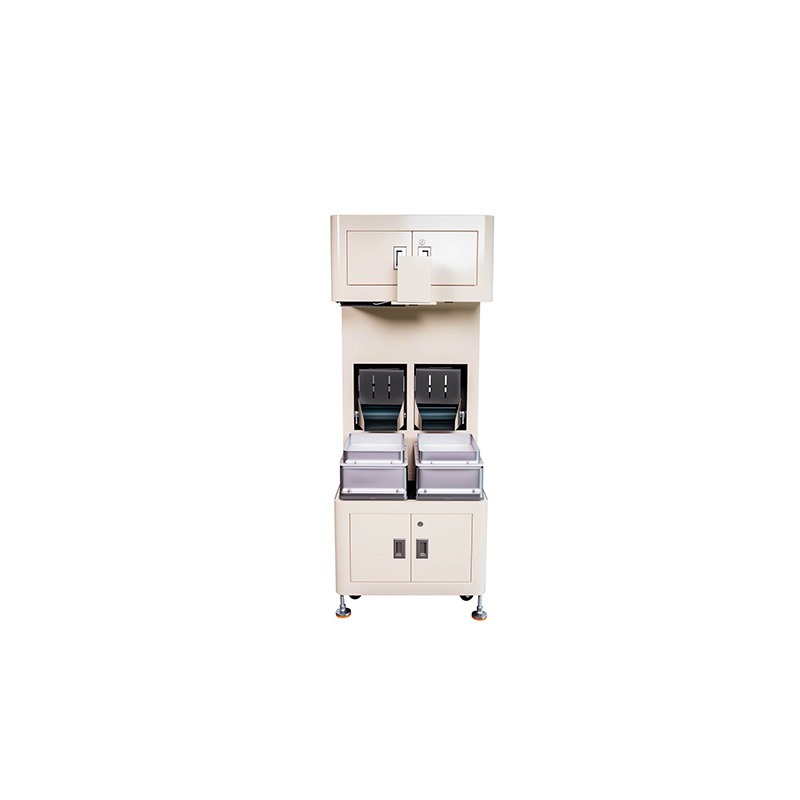
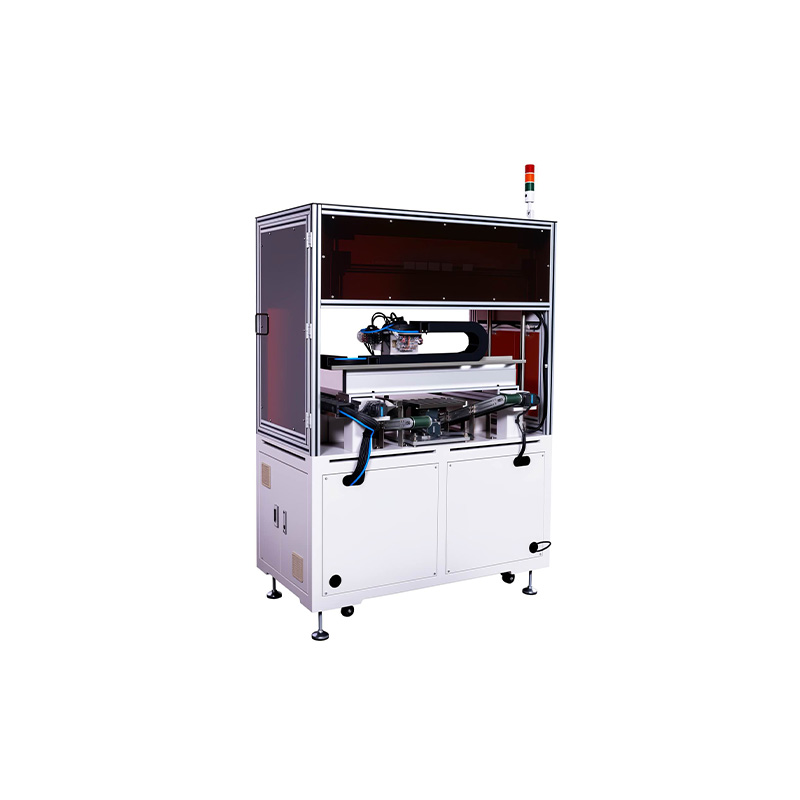
Material characteristics:SPR rivets Chart type:NC disk Application industries:car Discharge speed:1s

Read More
benefits-v1-bg

our service

Latest Case

Case

View More
success 1

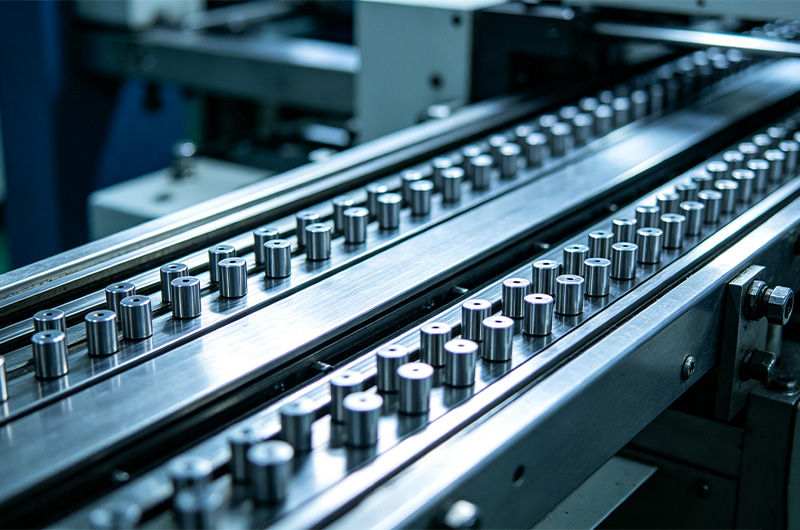
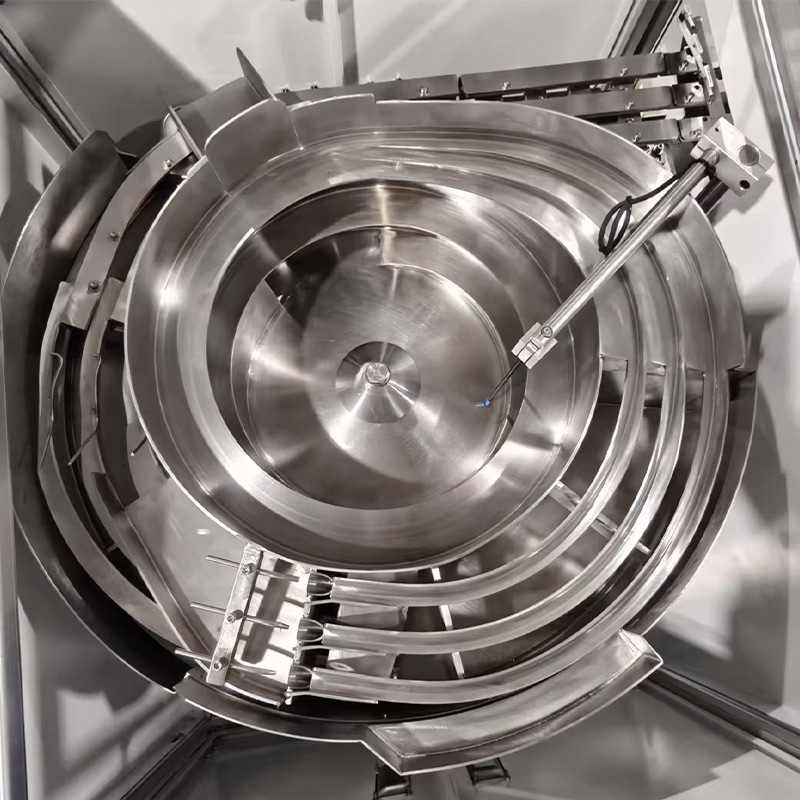
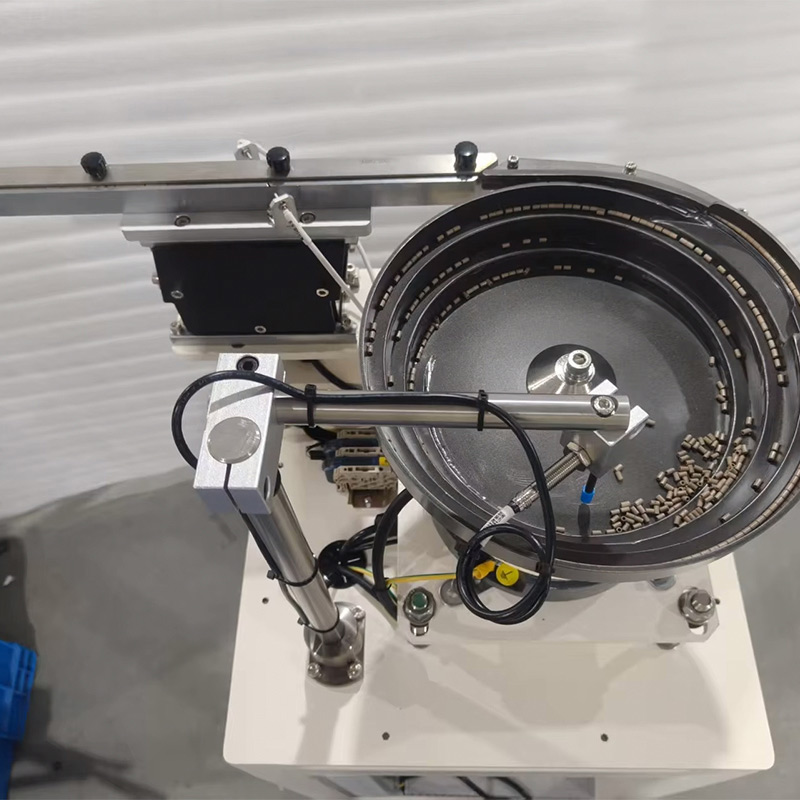
Customer & Material Customer: Ningbo Huawei Precision Manufacturing Co., Ltd. Material: Small cylindrical metal inserts (3mm in diameter, 8mm in length, dry surface, non-sticky)   Original Problems The workshop space was tight – a standard vibratory bowl feeder occupied too much floor area and could not fit into the existing line. Additionally, the cylindrical parts tended to roll and accumulate, causing unstable feeding with conventional bowls.   Adopted Solution – Double-Line Feeding System Linear circulation feeding saves approximately 40% of floor space compared to a standard vibratory bowl feeder. Dual lanes transport parts simultaneously, doubling throughput. Ideal for small, cylindrical parts, reducing rolling and jamming.   Implementation Results Successfully installed in a narrow station only 400mm wide. Stable double-line output speed: 120 parts per minute (60 parts/min per lane), meeting the customer’s capacity requirement. No jamming or overlapping of cylindrical parts; the system ran continuously for 72 hours without failure.   Customer Feedback “The double-line feeding solution perfectly solved our problems of limited space and rolling parts. It is also much quieter than a standard vibratory bowl feeder.   Key Success Factors Dry, non-sticky material – fully leverages the advantages of linear circulation feeding. Guide channels for cylindrical parts, combined with dual-lane separation, prevent pile-ups.
failure 1

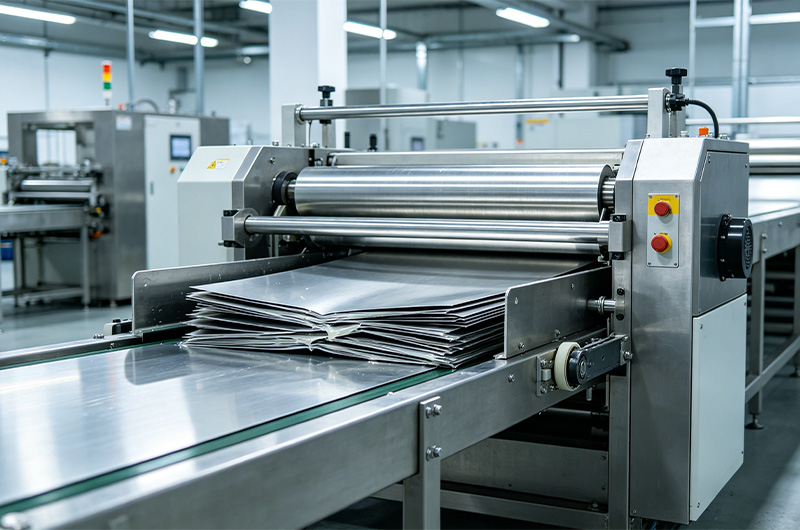
Customer & Material Customer: Zhejiang Liming Material: Thin metal sheets with an oily/sticky surface (sheets readily stick to one another)   Problem Description A push plate feeding system was adopted, consisting of a sheet pusher plus a return screening plate at the end of the linear feeder. Due to the sticky surface, the push plate could not effectively separate the sheets: When the push plate retracted, stuck-together sheets were pulled back into the hopper, resulting in empty strokes. The sticky residue gradually accumulated in the push plate gaps and clogged the screening holes.   Result The system required cleaning every 2 hours, making it slower than manual feeding. Sheets became deformed, and eventually the motor overloaded and burned out.   Customer Feedback We wanted to improve efficiency, but everything stuck to the machine – it was completely unusable.   Direct Losses Approximately 3,500 sheets were scrapped, representing a material loss of over 10,000 RMB. Motor repair plus production downtime caused a 2-week project delay.   Lessons Learned Push plate feeding is unsuitable for sticky thin sheet materials – it works only for dry, non-sticky, long-rod type parts. For oily/sticky materials, alternative methods such as pneumatic separation, PTFE coating, or ultrasonic vibration must be used, and physical sample testing should always be conducted beforehand.
Industry Solutions

1
About Us

New Era, Exceptional – Smart Manufacturing for the Future

Tiankun Automation Technology (Suzhou) Co., Ltd. Professional Feeding System Integrator | Founded in 2019 National High-tech Enterprise | 2025 National “Specialized, Refined, Distinctive & Innovative” (SRDI) Enterprise Tiankun Automation Technology (Suzhou) Co., Ltd. is a high-tech enterprise integrating R&D, design, production, and sales, specializing in loading/unloading automation equipment and semiconductor devices. Our Feeding Product Line: Vibratory bowl feeders, CNC bowl feeders, push plate feeders, high-speed bowls, flexible feeders, custom-designed feeders, and more. Industries We Serve: 3C (Computer, Communication, Consumer Electronics), semiconductor, electronic components, automotive, medical devices, and others. Address: No. 222, Chenfeng Road, Kunshan City, Jiangsu Province, China

  • Master apprentice inheritance training model
  • A sustainable engineering team
  • Worry free after-sales service
  • Timely response and quick resolution of issues
  • Global after-sales service
  • Widely involved, with experience in multiple industries
  • Experienced, with over 10 years of professional experience
  • Module standardization, flexible shared design
  • A well-established local supply chain that responds quickly
  • Long term cooperative high-quality suppliers with stable quality
  • Cost control advantage, high cost-effectiveness

60+

Annual sales of RMB 60 million

6000+

Plant area 6,000 sq.m

110+

employees

40+

patents

Latest News
Check out our blog

View More
4
10 , June

Bowl Feeder with Soundproof Cover: Noise Control Solutions for Precision CNC

Understanding the Role of Bowl Feeders in Precision CNC Vibratory bowl feeders are a critical piece of equipment in many high precision CNC manufacturing environments today. Their ability to accurately orient and pick parts, and deliver them to open CNC machines at a desired rate in a consistent manner, makes them an ideal solution to automate the component feeding process. Many leading manufacturers of vibratory feeders are constantly striving to improve their products in order to achieve greater precision while at the same time reducing noise. A recent development that has been added to some vibratory bowl feeders, in order to improve the working environment for staff, and to adhere to high acoustic standards, are soundproof covers. Bowl feeders use controlled vibration to move parts spirally through a track until they are correctly oriented for further use in a production line. Minor deviations in such highly precise CNC production can lead to massive problems. Manufacturers of vibratory bowl feeders therefore put a special emphasis on stability, vibration and on the compatibility with the parts to be fed in order to guarantee a smooth feeding process. The Challenge of Noise in Vibratory Feeding Systems Noise from vibratory feeders is unavoidable. The mechanical movement of the feeder and impacts of parts within the feeder bowl generate noise. When more than one feeder is installed in a plant and operating at the same time, the noise level can easily exceed the recommended exposure levels for workers and cause discomfort to them. Further, the exposure to noise at high levels causes fatigue to the human senses and affects human concentration thereby reducing productivity. For vibratory feeder manufacturers serving precision CNC industries, addressing noise issues has become a design priority. As components become smaller and production speeds increase, vibration frequencies rise correspondingly, amplifying acoustic emissions. Without adequate damping or insulation measures, these vibrations propagate through machine frames and surrounding structures. Modern production requires efficient soundproofing solutions in order to reduce noise levels effectively while maintaining performance. By incorporating acoustic covers or enclosures around vibratory bowl feeders, manufacturers are able to achieve the desired effect.   Soundproof Covers: Design and Functionality A soundproof cover for a vibratory bowl feeder is typically a stack of different materials that absorb and block sound. A design compromise must be found between good insulation and good accessibility. While the feeder must be accessible for maintenance, for changing parts etc, the cover must remain closed when not in use. Using composite materials for soundproof covers is highly recommended as these consist of a stiff outer shell combined with acoustic foam or damping material inside the cover. In the window of the soundproof cover transparent polycarbonate or acrylic panels are installed, which allow perfect visual observation of what is going on while at the same time no noise will be transmitted to the operator. Ventilation within the enclosure is also critical. The vibratory system will generate considerable heat when in operation for extended periods of time. It is essential that airflow is maintained within the enclosure to prevent overheating whilst maintaining sound isolation.   Integration with Precision CNC Operations In precision CNC machining, it is very important that the feeding system is synchronized with the machining cycles. A well-designed vibratory bowl feeder continuously supplies parts at the correct time. The feeder is supplied with a soundproof cover to make the unit even quieter. Low noise operation and high feeding accuracy make Eco-F feeder ideal for industries such as electronics production of micro-components and medical equipment production. By allowing accurate positioning and enabling production of high quality parts safely, it provides ultimate cost effectiveness. Additionally, reducing ambient noise improves communication with colleagues, and sensitive measurement equipment installed in the CNC area is not disturbed by mechanical or acoustic noise. Advantages of Using Bowl Feeders with Soundproof Covers 1. Enhanced Workplace Safety The soundproof covers reduce the overall noise exposure and in doing so adhere to the stipulations of occupational safety. The lower noise exposure also reduces the potential for hearing damage by people working in close proximity to multiple vibratory units. 2. Improved Concentration and Efficiency The workplace needs to be quiet enough so that machine operators as well as the engineers monitoring the CNC machines can work concentrated. The noise level in the workshop should be kept so low that verbal communication is still possible, even in areas where single machines are set up or where error source are searched and eliminated. 3. Extended Equipment Lifespan Vibrations from the feeder system are contained within the enclosure thereby significantly reducing the structural stress imposed on adjacent machinery. As a result the service life of the feeder system and neighboring equipment is extended. 4. Better Quality Control Acoustic damper fixed to the conveyor adds stability to the natural vibration of the bowl, in turn producing a constant orientation of parts. In conjunction with our bowl feeders, this greatly reduces downstream problems in CNC manufacturing brought on by incorrect or randomly fed parts. 5. Compliance with Environmental Standards Newer manufacturing facilities around the globe incorporate state-of-the-art facilities within a robust environmental management framework that includes sound ergonomics for design as well as sustainable practices in operation. By incorporating soundproof covers to loud machinery in such facilities therefore will assist in controlling noise pollution without affecting productivity. Technological Innovations by Vibratory Bowl Feeder Manufacturers To produce high quality vibratory bowl feeders manufacturers are using advanced materials science and latest digital control systems. Latest smart sensors are measuring in real time amplitude of vibrations of feeder, and by automatic adjusting of required parameters it is securing constant feed rate even under different load cases. Some manufacturers offer modular sound-reduction systems that can be tailored to any decibel level reduction and production-line space constraint. There are also companies that employ predictive-maintenance algorithms that can detect, for example, wear on the bowl and spring contact surfaces before excessive vibration develops into noise. Automation integration of the feeders enables a smooth communication with the CNC machines by using Industry 4.0 protocols. This allows for an optimal synchronization of the processes and a low noise operation while operating with several machines in a network.   Selecting the Right Vibratory Feeder Manufacturer Vibratory feeder manufacturers serving the market for precision CNC equipment have various factors that one should compare when selecting a feeder for your applications. •Customization Capabilities:The ability to design bespoke feeders tailored to unique component geometries ensures optimal alignment with CNC requirements. •Noise Control Expertise:Manufacturers offering integrated soundproofing demonstrate deeper understanding of ergonomic standards. •Material Compatibility:Stainless steel bowls resist wear from abrasive parts; polymer linings reduce frictional noise. •Automation Integration:Compatibility with robotic arms or smart factory systems enhances scalability. •After-Sales Support:Reliable technical assistance guarantees sustained performance over long-term operation cycles. When partnering with experienced manufacturers of vibratory bowl feeders, companies can achieve the highest level of automation and also work in a silent environment, optimal for precision machining.   Future Trends in Noise Reduction Technology New research into hybrid damping techniques incorporates passive insulation within a structure and active vibration control. Utilizing piezoelectric or electromagnetic feedback by means of actuators, these systems are capable of reducing unwanted oscillations as they occur at the core of the structural problem, as opposed to treating the symptom by creating a barrier around the exterior of the structure by means of a cover, as is the case with traditional insulation systems. In addition to analyzing existing mechanical constructions for noise and sound reflections using acoustic simulation and analysis, engineers can also use computational modeling to plan the sound propagation within an enclosure prior to the construction of a prototype. In this way, the design of new low noise feeders for high precision CNC machines can be developed more quickly. The smarter, more sustainable and human centred factory is increasingly becoming the core of manufacturing. A key piece of technology which combines maximum productivity with human well being at work on production lines in the automotive sector, aircraft components manufacturing and microelectronic manufacturing, for example, is the recently soundproofed vibratory bowl feeder.
1
10 , June

Vibratory Bowl Feeder Design Innovations for CNC Automation Efficiency

Efficiency in automation is the key to increased productivity and better precision in production. There are many elements that determine the production process, and the vibratory bowl feeder is one of the main components that are responsible for the proper orientation and supply of parts to the CNC machine. The bowl feeders by modern manufacturers are equipped with innovative solutions that increase the efficiency of the automation line and reduce the idle time. The improvements to the bowl feeders are made by combining the knowledge of mechanical engineering with modern IT solutions and advanced materials. Evolution of Vibratory Bowl Feeder Design Early Mechanical Designs Vibratory feeders of the past typically used a mechanical vibration system that was driven by an electromagnetic coil. These early systems used simple control to provide linear or circular motion to the parts as they moved down a spiral track or other configuration of parts “way” to be picked up by a picker. While these early systems worked well for simple part handling, they were not very flexible and could produce excessive noise. The need for precise part orientation for the use in CNC machines exposed the limitations of such simple systems, particularly for very small, fragile or irregularly shaped parts. Transition to Intelligent Automation As CNC parts processing is becoming more complex, feeders for vibro-conveying systems are being supplied with intelligent control systems. Modern feeders for part feeding to CNC machines are equipped with sensors, PLCs (programmable logic controllers) and with feedback. With the mechatronic control of the vibration frequency, which is adapted to the filled quantity, higher consistent feeding, less damaged parts and optimal synchronization with industrial robots as well as with CNC magazines and with CNC tool changers are achieved. Key Design Innovations Enhancing CNC Efficiency Adaptive Vibration Control The latest innovations in adaptive vibration control have also significantly increased the control of feed rates. Modern parts feeders automatically adapt the amplitude and frequency of the parts feed, within wide boundaries, for all materials and all part shapes. The vibration is controlled by a closed-loop control system. Optical sensors or even accelerometers can be used for this purpose. In this way, parts feeders can also control themselves in real time and thus deliver components of constant size to the CNC machines without having to be readjusted manually. 3D-Printed Bowl Configurations Additive manufacturing has opened up a new world of design for vibratory bowl feeder manufacturers, allowing them to quickly design and create custom part feeding solutions using 3D printing technology to create a customized bowl to exactly match the part. By creating a custom bowl the designer can save valuable time by removing excess material from the design and also allow for more part tracking and thus less jams and more aligned part tracks. Also, by using lightweight plastics in the bowl design it allows for less vibration damping losses which in turn makes for a more energy efficient feeder. Noise Reduction and Energy Efficiency One of the key concerns in industrial environments today is noise pollution. Using advanced materials such as composites, combined with effective damping, modern vibratory bowl feeders have achieved significantly reduced noise levels whilst maintaining the required parts feed rates. Furthermore, the energy efficient electromagnetic drives increase production efficiency, whilst retaining a constant vibration intensity, achieving sustainability goals by reducing both noise and energy, and costs thereto.   Integration with CNC Automation Systems Synchronization with Robotic Handling The interface between vibratory feeders and CNC robotic systems is critical to achieve high-speed CNC automation. Part availability and part position information is communicated to the robotic controller in real-time by the feeders via Ethernet/IP or Mod bus communication. In order to allow for a smooth processing of the related machining cycles without any interruptions, this information is taken into account for the precise timing required for the respective pick-and-place operations. Smart Sensors and IoT Connectivity Smart sensors integrated in the feeder assemblies continuously monitor vibrations, temperature and the current of the motor. In combination with IoT platforms, the analyzed data of the sensors is available at any time and for remote locations. This allows for a predictive maintenance, which by far is more effective than a preventive maintenance. For example, it is possible to identify wear and tear and possible defects of the feeder before a failure actually occurs and thus allows for an ideal operation of the CNC machines in large production environments.   Material Innovations in Feeder Construction Latest innovations in material science also change how to design vibratory bowl feeders in terms of durability and performance-optimization. Stainless steel is still the most common material because of its high resistance against corrosion and the long service life. Recently hybrid designs with polymer-coated or ceramic-coated bowls have become more interesting. These materials have a low friction and prevent contamination of sensitive parts like contractors for electronics or medical devices.   Customization for Industry-Specific Applications Les différentes industries imposent des exigences spécifiques aux systèmes d’alimentation vibrants : •Automotive sector:demands high-speed feeding of metal fasteners with minimal abrasion; •Electronics manufacturing:requires static-free materials and micro-part handling precision; •Pharmaceutical packaging:prioritizes hygienic design with easy disassembly for cleaning; •Aerospace machining:emphasizes traceability through sensor-integrated feeders capable of recording every batch cycle. To meet these diverse needs, leading vibratory bowl feeder manufacturers offer modular configurations that allow quick retooling between product types while maintaining compliance with industry standards such as ISO 9001 or CE marking.   Digital Twin Simulation in Feeder Design One of the most transformative innovations involves using digital twin technology during the design phase of vibratory feeders. Engineers create virtual replicas of physical systems to simulate performance under varying conditions—such as different part geometries or vibration frequencies—before actual fabrication begins. This predictive modeling minimizes trial-and-error prototyping costs and ensures optimal compatibility with downstream CNC processes. The Role of Artificial Intelligence in Feeding Optimization Artificial intelligence (AI) will change the operation of the feeding system in smart factories. Artificial intelligence changes the operation of the feeding system in smart production facilities in that machine learning in the feeding system is able to automatically determine the ideal production parameters on the basis of the sensor data that is collected from various production cycles. For example, in the feeding system, a control system which, on the basis of the experience it has gained in the course of multiple production cycles, automatically determines the ideal vibration profiles which in turn, in turn, achieve the highest possible production volume and the lowest possible number of misfeeds for the various components. Thus, the system constantly learns, in the course of the multi-shift operation, without human intervention.   Future Trends Shaping Vibratory Feeder Manufacturing As Industry 4.0 principles continue to influence the automation strategies of companies, future trends in regards to vibratory feeders will also be focused on an even greater integration with the respective digital ecosystems. •Augmented reality (AR)tools will assist technicians during setup or maintenance by overlaying real-time diagnostics on physical equipment; •Wireless communication moduleswill replace traditional cabling networks for faster installation flexibility; •Sustainability-driven designswill emphasize recyclable materials and low-carbon manufacturing methods; •Collaborative robotics compatibilitywill ensure safe interaction between human operators and automated feeding stations. These advancements signify a broader shift toward autonomous production environments where every subsystem—including vibratory feeders—contributes intelligently to overall plant efficiency. Conclusion The development of vibratory bowl feeders is continually evolving. Modern vibratory bowl feeders are enabled to be fully productive thanks to the integration of adaptive controls, smart sensors, latest materials and the networking of digitalization in CNC automation. For industries, which are more and more competing worldwide, partnership with innovative manufacturers of vibratory feeder components is indispensable in order to achieve increased productivity and precision in a machined part as result of automation.
Products
Contacts
WhatsApp
Email